
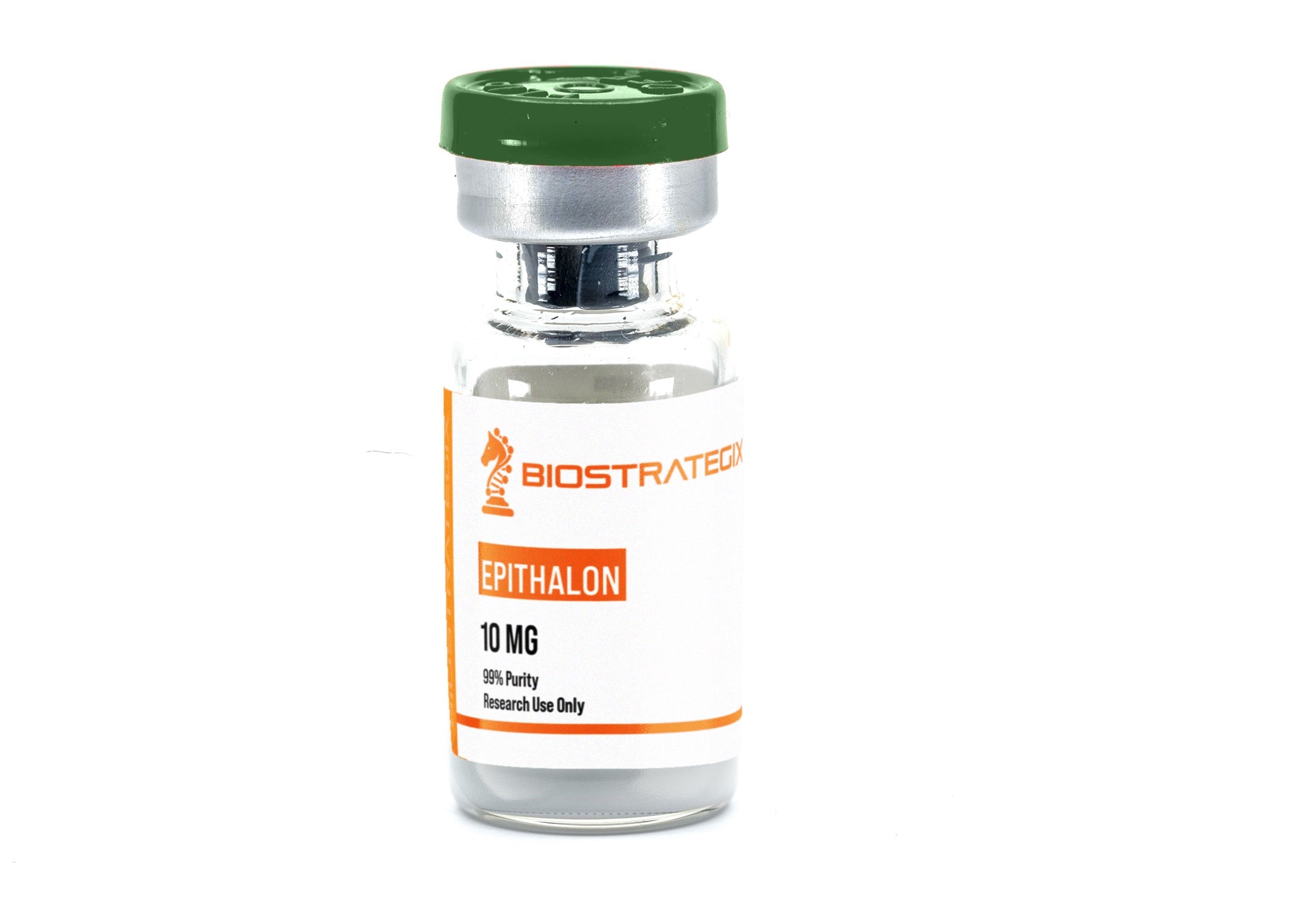
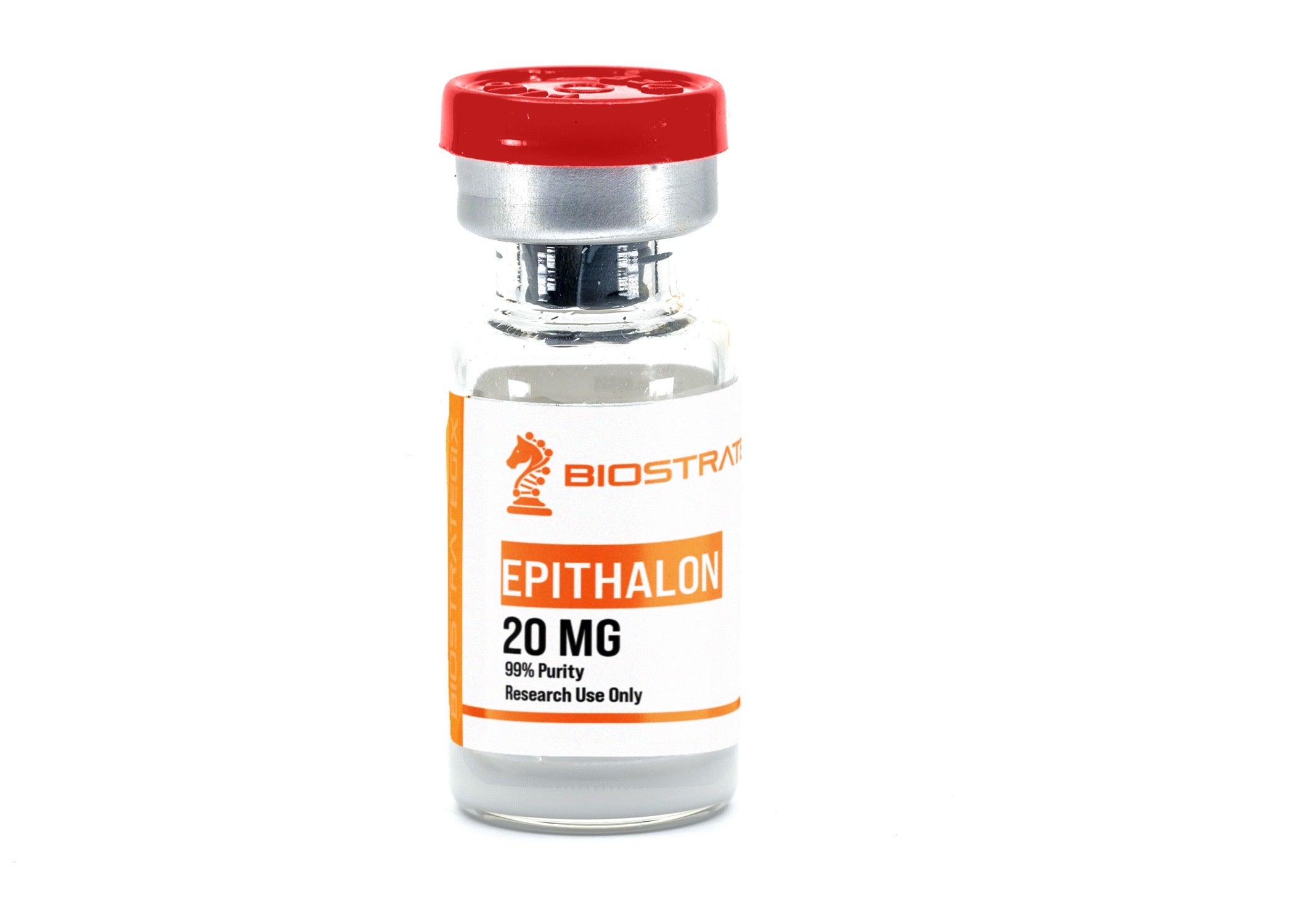
Epithalon
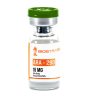
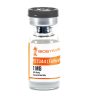
Price range: $25.00 through $360.00
🔥 Exclusive Crypto Offer
Get an INSTANT 15% DISCOUNT when you pay with Bitcoin, Ethereum, Dogecoin, Bitcoin Cash, XRP, Solana, or USDT.
⚡ Don't have crypto? Buy it here in 5 minutes with easy guidance.
💡 Pro Tip: You can also pay with cryptocurrency using your verified Cash App or PayPal account for a fast and secure checkout!
Epithalon is the synthetic tetrapeptide Ala-Glu-Asp-Gly, designed from the amino acid composition of a pineal gland extract. At Biostrategix, we supply Epithalon 10mg, 20mg and 40mg as lyophilized research vials, each size documented by third-party certificates from August 2026.
Epithalon research centers on telomerase and telomere length in cultured cells, on chromatin and gene expression, and on aging models in mice, flies and monkeys. Most of that record comes from one institute in St. Petersburg, and independent replication began only recently.
Epithalon is investigational and has no approved indication. We supply it strictly for in vitro and laboratory research.
What Is Epithalon (Epitalon)?
Epithalon, also spelled Epitalon, is the tetrapeptide Ala-Glu-Asp-Gly (AEDG), formula C14H22N4O9 and molecular weight 390.35 g/mol. It was developed at the St. Petersburg Institute of Bioregulation and Gerontology and is studied as a short peptide bioregulator.
The compound is indexed as PubChem compound record 219042 for Epitalon, with CAS number 307297-39-8. The acetate salt has a molecular weight of 450.40 g/mol.
FDA’s 2026 evaluation of Epitalon bulk substances describes the free base as not well characterized and concluded that the evaluation criteria weigh against adding it to the compounding bulk substances list. The same review records that Epitalon is a common name rather than an adopted name.
Tetrapeptide AEDG Research in Context
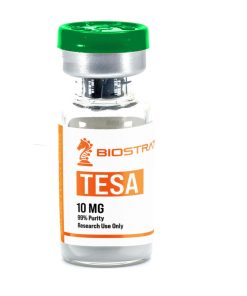
Tetrapeptide AEDG research sits within a wider program of short regulatory peptides from the same group, such as the tripeptide Pinealon and the tetrapeptide testagen. Epithalon and Pinealon have both been reported to enter the cell nucleus and bind DNA sequences in vitro.
At four residues, Epithalon is one of the smallest compounds in our catalog. Its size is part of what makes its reported nuclear activity a research question in its own right.
Epithalon and Telomere Research: What the Studies Report
Epithalon telomere research began with cultured human fibroblasts. Early work reported that the peptide induced expression of the telomerase catalytic subunit, telomerase activity and telomere elongation in telomerase-negative cells, and a 2025 independent study reported telomere lengthening through two distinct routes.
The first study set the direction for the field. A 2003 study in human fetal fibroblasts reported that adding Epithalon to telomerase-negative cultures induced expression of the catalytic subunit, enzymatic activity and telomere elongation.
The follow-up measured replicative lifespan. A 2004 study in fetal lung fibroblasts reported that control cells stopped dividing at passage 34, while Epithalon-treated cells elongated their telomeres and continued to passage 44, still dividing when the study ended.
Epithalon Telomerase Activation in Independent Work
Epithalon telomerase activation was tested outside the original group in 2025. A 2025 UK study in four cell lines reported significant telomere lengthening in normal fibroblast and mammary epithelial cells, with telomerase activity up about 4-fold and 26-fold respectively.
The same study found a different route in breast cancer lines. Telomeres lengthened there through alternative lengthening of telomeres, with C-circle levels up about 10-fold and 3-fold, while telomerase activity did not change significantly.
Those two findings define the open questions. Cell type appears to decide which lengthening route Epithalon engages, and FDA’s review notes a concern that telomerase activation could let cells evade senescence and become cancerous, with data not currently available to address it.
Animal Aging Models
The animal record extends beyond mice. A 2000 study in Drosophila melanogaster exposed larvae to the peptide only during development and reported adult lifespan 11 to 16 percent longer, with no dependence on concentration.
A study in rhesus monkeys reported that Epithalon lowered basal glucose and insulin and raised night-time melatonin in old animals aged 20 to 27 years, with no effect reported in young animals. These are physiological markers in small primate groups rather than lifespan measures.
Ex Vivo Human Cells
Telomere work has also been done in donated human lymphocytes. In stimulated lymphocytes from 11 men, telomere length changed significantly in 7 samples. It rose in 5 and fell in 2, which the authors described as a tendency toward normalization.
Epithalon vs Epitalon: Same Compound, Different Spellings
Epithalon and Epitalon name the same molecule, AEDG. The Epithalon vs Epitalon difference is transliteration only, and both spellings appear in the research record, the regulatory documents and the chemical databases.
FDA’s review uses the two spellings interchangeably for the same substance, and PubChem lists both under one compound record. Neither spelling is an adopted United States name, which is why both remain in circulation, and searches for the Epitalon peptide and for Epithalon lead to the same compound.
The name the compound is often confused with is epithalamin. That is a separate substance, and FDA regards the two as different materials.
Pineal Gland, Epithalamin, and Epithalon’s Research Origins
Epithalamin is a polypeptide complex extracted from bovine pineal glands, and Epithalon was built from its amino acid composition as a single defined tetrapeptide. AEDG was later detected inside the pineal polypeptide complex by mass spectrometry, which tied the synthetic peptide back to its source.
That detection came in 2017. A 2017 study of the pineal polypeptide complex reported that AEDG was constructed on the basis of the complex’s amino acid analysis and then detected among its tetrapeptides by selective reaction monitoring mass spectrometry.
The pineal link is why Epithalon is also searched as an Epithalon pineal peptide. The origin is the extract, while the research material is a synthetic peptide of defined sequence.
From Extract to Defined Sequence
An extract is a mixture whose composition varies with source and preparation. A synthetic tetrapeptide has one sequence and one molecular weight, which can be confirmed lot by lot by mass spectrometry.
That difference matters for in vitro work. Findings reported for epithalamin cannot be assumed to hold for Epithalon, and the reverse is also true, so each claim in the record has to be read against the substance actually tested.
Epithalon Khavinson Research
Epithalon Khavinson research covers cell, animal and small human studies. In mice, a 2003 study in female SHR mice of 54 animals per group found no change in mean lifespan or total tumor incidence, but reported a 12.3 percent increase in maximum lifespan and 17.1 percent fewer chromosome aberrations.
Human studies of Epithalon itself are small. A study of 75 women, 40 of them randomized to AEDG or placebo, reported an approximately 1.7-fold increase in urinary 6-sulfatoxymelatonin with AEDG, and a 2026 review of Epitalon research concluded that no adequately powered randomized trial has established clinical efficacy.
The long-term mortality studies often attributed to Epithalon used epithalamin and thymalin, the extracts, rather than the synthetic tetrapeptide. ClinicalTrials.gov lists no registered Epithalon trials.
Nuclear and Epigenetic Findings
Epithalon’s proposed mechanism runs through the nucleus. A 2011 study with fluorescently labeled peptides reported that Epithalon entered the cytoplasm, nucleus and nucleolus of HeLa cells and bound preferentially to CNG-containing oligonucleotides in vitro, with an apparent preference for CAG-containing ones.
In human gingival stem cells, AEDG raised mRNA for the neurogenic markers Nestin, GAP43, beta-tubulin III and doublecortin by 1.6 to 1.8 times. Molecular modeling in the same work suggested binding to histones H1/3 and H1/6, proposed as an epigenetic mechanism.
Epithalon Reconstitution and Solution Handling
Epithalon is a four-residue peptide with two acidic side chains, glutamate and aspartate, and it is supplied as a white lyophilized powder. Our Epithalon reconstitution guide is limited to the physical facts that set up an in vitro stock solution, with the lot certificate as the reference for mass.
At 390.35 g/mol, a 10mg vial holds about 25.6 micromoles of peptide. That molar figure, rather than mass, is the basis for comparing Epithalon with larger peptides in the same assay.
Buffer and concentration follow the assay design rather than a fixed recipe. Each solution is logged against the lot number, since the two laboratories that tested lot NP-46 reported different content figures.
Certificate of Analysis and Third-Party Purity Testing
Epithalon COA purity for the 10mg lot NP-46 was tested by two laboratories in August 2026. Zyntro reported 98.58 percent purity by RP-HPLC with MALDI-MS identity confirmation, and MZ Biolabs reported 95.26 percent overall purity by HPLC-UV-MS.
The Zyntro certificate for lot NP-46 and the MZ certificate sit in our third-party certificates of analysis library with the 20mg and 40mg lots. Those sizes also carry MDx Biolabs certificates from June 2026.
Reading the Two Certificates
The two laboratories also measured content. Zyntro reported 9.14 mg and MZ reported 10.97 mg against the 10mg label, and the MZ chromatogram separately identified D-mannitol.
Purity and content are different measurements, and laboratories quantify content by different methods. A certificate applies to the lot it names only.
Storage and Handling
Epithalon is stored as a lyophilized solid, desiccated and frozen. The dry powder is the stable form, and a prepared solution is treated as a separate material with its own preparation date.
The material stays sealed and desiccated until an assay calls for it. Each vial is tracked against its lot certificate from receipt to use in the laboratory record.
Some peptides, particularly cationic ones, are lost to glass and polypropylene surfaces at low concentration. Dilute solutions are best prepared close to the point of measurement.
Receipt and Lot Records
Vials leave California as a dry powder by USPS Priority or Express, so the material spends its transit time in its most stable form. On receipt, the vial goes into frozen, desiccated storage and its lot number goes into the laboratory record, where it links every later reading to the matching certificate.
Related Longevity Research Peptides
Within longevity peptide research Epithalon sits alongside other short bioregulators and neuropeptides. At Biostrategix, we stock several that share its origin or its research questions, each with its own certificate history.
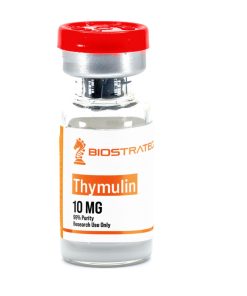
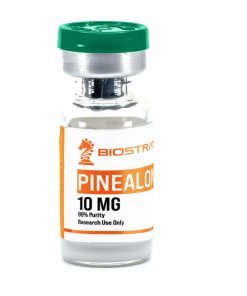
Our Pinealon tripeptide in 10mg and 20mg is Glu-Asp-Arg, one of the peptides shown with Epithalon to enter cell nuclei. Our Delta Sleep Inducing Peptide research vial is the nonapeptide WAGGDASGE, and our Thymalin research vial in 10mg is listed under the Thymalin name.
The full range sits in our full peptides and more research catalog. New additions are grouped under our newest research peptides added to catalog.
Buy Epithalon Peptide
At Biostrategix, we list Epithalon 10mg at $25.00 for a single vial and $120.00 for a five-pack, 20mg at $45.00 and $200.00, and 40mg at $80.00 and $360.00. All sizes are in stock as of October 2026.
Orders ship within 48 hours by USPS Priority or Express from California. Every Epithalon for sale on our site carries a posted August 2026 certificate, and we supply the research peptide Epithalon for laboratory use only.
Order Epithalon research vials in 10mg, 20mg or 40mg today.
Frequently Asked Questions
What is Epithalon peptide made of?
Epithalon is a tetrapeptide of four amino acids, Ala-Glu-Asp-Gly (AEDG). Its molecular weight is 390.35 g/mol, and it is an investigational compound with no approved indication.
Are Epithalon and Epitalon the same?
Yes. They are two spellings of the same synthetic tetrapeptide, and both appear in the research record and in FDA’s review.
Is Epithalon the same as epithalamin?
No. Epithalamin is a polypeptide extract of bovine pineal glands, while Epithalon is a single synthetic tetrapeptide designed from that extract’s composition, and FDA regards them as different substances.
What has Epithalon research shown about telomeres?
In cultured human fibroblasts, Epithalon was reported to induce telomerase and lengthen telomeres. A 2025 independent study reported telomerase-driven lengthening in normal cells and a separate, telomerase-independent route in breast cancer cell lines.
Is there human research on Epithalon?
Only small studies. They include a melatonin biomarker study in 75 women and an older study in retinitis pigmentosa, and no adequately powered randomized trial has established clinical efficacy.
What does the Epithalon COA show?
Lot NP-46 of the 10mg vial was tested by two laboratories in August 2026. Zyntro reported 98.58 percent purity and MZ Biolabs 95.26 percent, with identity confirmed by mass spectrometry.
What is the regulatory status of Epithalon?
Epithalon is not approved by FDA. FDA’s 2026 review concluded that the evaluation criteria weigh against adding it to the compounding bulk substances list, and an advisory committee discussed it in July 2026.
All products are sold for research, laboratory, and analytical purposes only. Not for human or animal consumption. These statements have not been evaluated by the FDA.
| Amount | 10 MG, 20 MG, 40 MG |
|---|---|
| How Many? | Five Pack, Single Vial |
Only logged in customers who have purchased this product may leave a review.
Related products
Home page
Fall Flash Sale
Home page
Home page
Home page
Home page
Home page
Home page
Reviews
There are no reviews yet.